
Aviation Industry
Triple 7 Aircraft and Metal Cleaner Prevents Rust on Ultrasonic Machine Cleaned Parts.

Automotive Industry
Enhancing Cleaning Efficiency in an Auto Component Manufacturing Industry.

Engineering Industry
Enhancing HSS Tool Bit Coating Performance with Triple 7 Aircraft and Metal Cleaner.
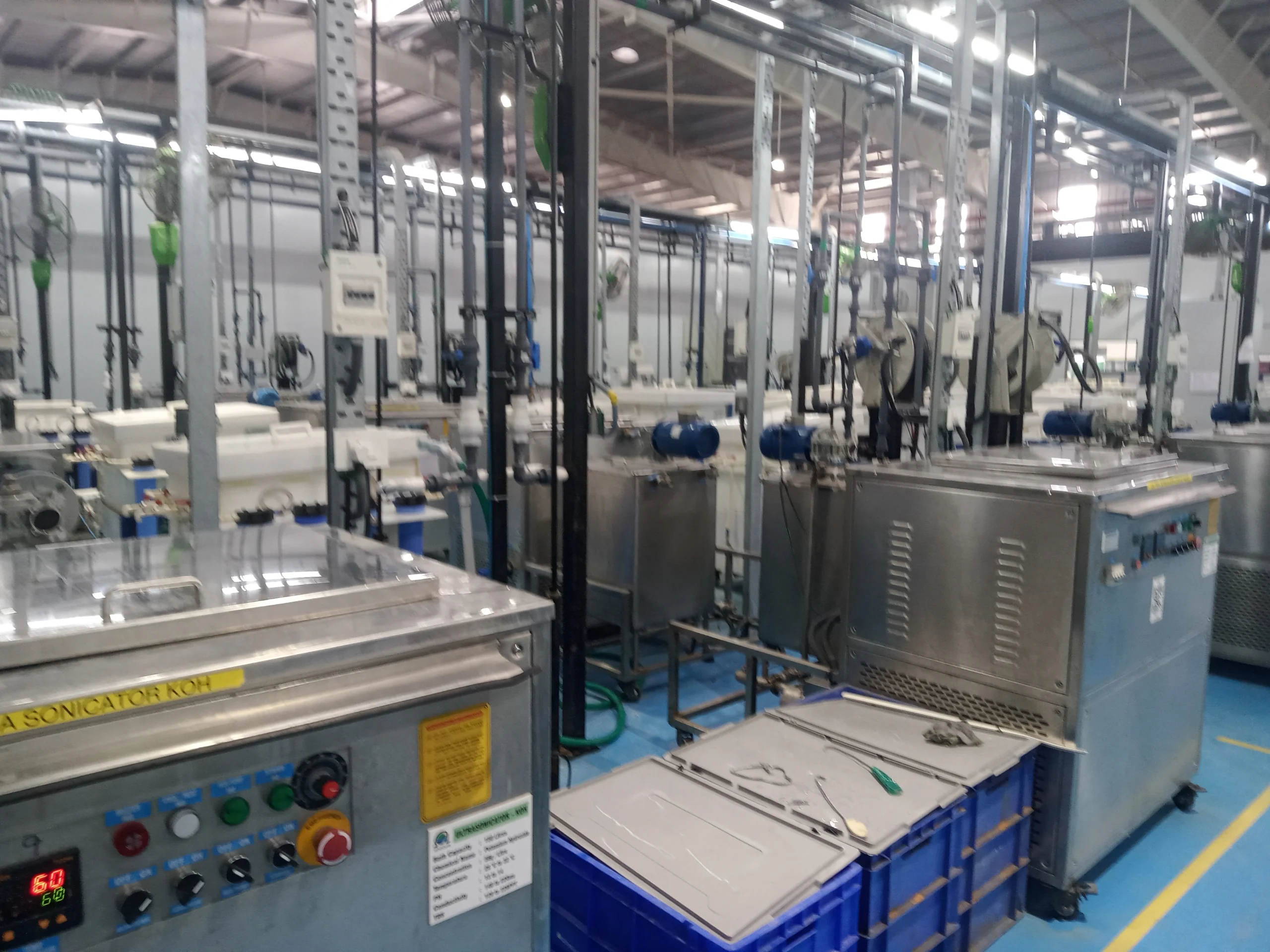



























We would like to extend our sincere appreciation to Evergreen Solutions for the timely and successful supply of the Ultra Sonic machine for the MT.DERM Medical Project. Since the date of delivery, the machine has been fully operational and is contributing significantly to the efficiency and effectiveness of our ongoing medical procedures. We acknowledge the quality of the equipment provided and commend your team for the professional coordination and support throughout the procurement and installation process. We value this partnership and look forward to continued collaboration on future projects.

We sincerely thank Evergreen Solutions for the timely supply and installation of the ultrasonic cleaner for our IT operations. The unit has been fully operational, delivering consistently clean PCBs, heatsinks, and connectors with faster turnaround and minimal rework. Your guidance on safe use made adoption simple for our team. We appreciate the quality equipment and professional support, and look forward to continued collaboration.

We sincerely thank Evergreen Solutions for the timely supply and installation of the Ultrasonic Cleaner for our automotive manufacturing operations at Ashok Leyland. The unit has been fully operational, delivering consistently clean engine components, injectors, gears, and other precision parts, resulting in faster turnaround times, improved performance, and reduced rework on the assembly line. Your team’s expert guidance on safe and efficient usage made the integration seamless for our workforce. We truly value the reliability of the equipment and the professional support provided throughout the process.